
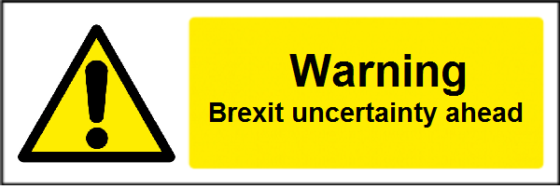
EU Regulations are Key to Protecting Workers. What Happens Post Brexit?
Most of the current UK HSE Rules are based on EU Regulations. A recent policy forum in Westminster looked to the future after Brexit.
A great deal of our current health, safety and environmental legislation is derived to a greater or lesser extent from the European Union, either through regulations that directly apply to UK law or by directives that we are required to enact within a given period of time.
Brexit is therefore of huge significance to health and safety companies across the country, and the Westminster Legal Policy Forum came together on 28 February 2017 to consider how the health and safety landscape might look in a post-Brexit Britain.
The meeting was attended by members of both Houses of Parliament, government policy makers and stakeholders from the length and breadth of the health and safety sector. As the day’s discussions got underway, there was a full audience in attendance, with standing room only.
Changing Regulations
The key questions are, of course, what changes will be introduced post-Brexit, how they will be implemented and what will be the long-term implications? It is possible that we may see some changes in regulations surrounding health and safety signs, so we’ll certainly be keeping a close eye on developments. However, it is just as likely that if UK companies wish to take advantage of cheaper skilled labour from Europe, then UK construction safety signs will need to follow the sames rules as EU ones, so possibly, there will be no change.
Professor Paul Almond, of the University of Reading, was the first speaker of the day, and remarked that there might not be quite as much appetite for tearing down the regulations borne of the EU that certain extreme voices would have us believe. Mike Appleby, a Partner at law firm Fisher Scoggins Waters agreed, remarking: “I don’t see in the short term or medium term that much will change with the way we regulate health and safety.”
Professor Almond commented that a major review of HSE legislation would inevitably be undertaken post Brexit. When asked how long this might take, he bluntly admitted that it is impossible to say, commenting: “it’s potentially a staggering amount of work.”
Brett Dixon is from the Association of Injury Lawyers, and he expressed concern that the UK’s potential eagerness to deregulate might combine with its need to remain competitive after Brexit, forming a cocktail that could put workers at risk. He feared that improvements made in UK health and safety would fall by the wayside, concluding: “Brexit is a real risk and we need to be very careful about what happens.”
Neil Lennox, the Head of Group Safety and Security at Sainsbury’s, echoed the general consensus of caution, remarking: “I don’t think there will be a sea change around Brexit. What I would caution is that we can’t throw the baby out with the bath water. We have some great regulations and we want to keep those.”
Sentencing Guidelines
The forum also took the opportunity to discuss the new sentencing guidelines for health and safety, corporate manslaughter, food safety and hygiene offences that came into force exactly a year ago.
Mr Appleby was concerned that the greater emphasis on culpability can mean that there is now more of a focus on individuals, when offences are more often the result of a large combination of factors.
Mr Lennox agreed, commenting that the guidelines are: “a force for good – but there is room for improvement.”
Changing Times
The Westminster session demonstrated that there are still more questions than answers when it comes to Brexit. However, it also showed the importance of these types of fora in ensuring that we move through these changing times with our eyes wide open, and the health and safety of our workers at the forefront.