

 Clothing and PPE is an Essential Part of Workplace Safety
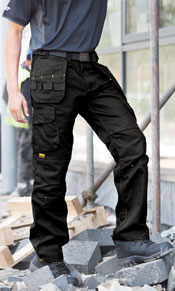 Clothing and PPE is an Essential Part of Workplace Safety
Health and safety is an essential consideration for every business. The clothes and equipment worn by workers constitutes an important part of it.
Britain has a deserved reputation as the world leader when it comes to health and safety in the workplace. Even in the most hazardous industries, such as construction, the statistics relating to injuries and fatalities are a benchmark to which the rest of the world aspires.
Mention health and safety and you probably think of training and awareness programmes, safety signs and the like. But workwear clothing also has an important role to play in keeping workers safe and maintaining the nation’s status as a world leader.
Protective workwear is essential for reducing a worker’s exposure to those hazards which cannot be otherwise eliminated or reduced to an acceptable level through engineering or administrative controls. Here, we will take a look at some common types of protective wear.
Gloves
There are a whole range of factors that can cause damage, abrasions and diseases to the skin, and invariably the hands are the most at risk. The right gloves are essential to provide protection. Some of the most common hazards include the following:
- Chemical agents can cause diseases ranging from dermatitis to skin cancer.
- Ultra violet radiation and high temperatures can lead to skin damage.
- Machinery can cause friction, abrasions, contusions and lacerations.
- Parasites, animals, plants, and microorganisms can also affect the skin.
Safety Boots
Foot injuries can occur from crushing, punctures, lacerations, sprains, trips and slips. This is why safety boots are a mandatory requirement in so many workplaces. They need to be comfortable, with thick soles and a steel toecap to provide adequate protection.
Safety goggles
The eye is one of the most vulnerable organs of the body and can sustain permanent damage through solid particles, blunt force injuries and chemical or biological agents. Safety goggles provide the right protection, and need to be worn by everyone, even if they are already wearing glasses.
Respirators
A respirator is provided to protect workers from breathing in contaminated air. They are a mandatory requirement when working in an environment that has no adequate ventilation.
Ear protectors
Sustained exposure to high noise levels can cause permanent damage to the ears, and conditions including tinnitus and deafness. Earmuffs or earplugs are necessary for those working in noisy environments.
Safety helmets
Protective headgear is one of the most important articles of safety clothing for construction site workers, protecting them from head injuries sustained from falling objects or from trips and falls.
Risk assessments
As the above examples show, there is a huge range of protective workwear, and the list we have examined is by no means exhaustive. It is essential that regular risk assessments are conducted in every workplace to determine the nature of hazards present and the associated risk.
Protective workwear is a vital component of the overall risk mitigation process, and needs to take into consideration the worker, the environment and the actions he or she will be undertaking, as well as the risk per se. It must also be properly maintained and in good working order at all times.